
For most parents, the kitchen table isn’t just a place for meals; it’s the primary exhibition space for a never-ending rotation of childhood creativity. You know the feeling: your child runs through the door, beaming with pride as they hand over a vibrant new painting or a glitter-covered school project. In that moment, it feels like a priceless treasure. But as the days turn into weeks, that single masterpiece joins a growing mountain of construction paper, doodles, and macaroni art. The emotional weight of wanting to keep every memory starts to clash with the practical reality of home organization. You find yourself tucking drawings into overflowing bins or, worse, feeling a pang of “parent-guilt” as you secretly slide a few scribbles into the recycling bin late at night.
Learning how to preserve kids’ artwork shouldn’t be a source of stress or a weekend chore that never gets finished. At Kapture Canvas, we believe that every child’s imagination deserves to be celebrated without compromising the aesthetic of your home. It’s about moving away from “storing” and toward “curating.” In this guide, we’ll explore five creative, meaningful ways to transform that paper clutter into lasting family keepsakes that you’ll actually want to display and revisit for years to come.
Every parent knows the feeling. Your child comes home with a vibrant painting, a glitter-covered masterpiece, or a sweet handprint drawing. Your heart melts, and you stick it in the fridge. But then comes the next day, and the next. Soon, your refrigerator is buried, your dining table is a sea of construction paper, and you’re feeling more stressed by the mess than inspired by the art.
Learning how to preserve kids’ artwork doesn’t mean you have to turn your home into a museum or keep every single scrap of paper. It’s about being intentional. By choosing the right strategies, you can honor your child’s creativity while keeping your home organized and aesthetic. In this guide, we’ll explore the best ways to archive, display, and transform those precious school-year masterpieces into lifelong keepsakes.
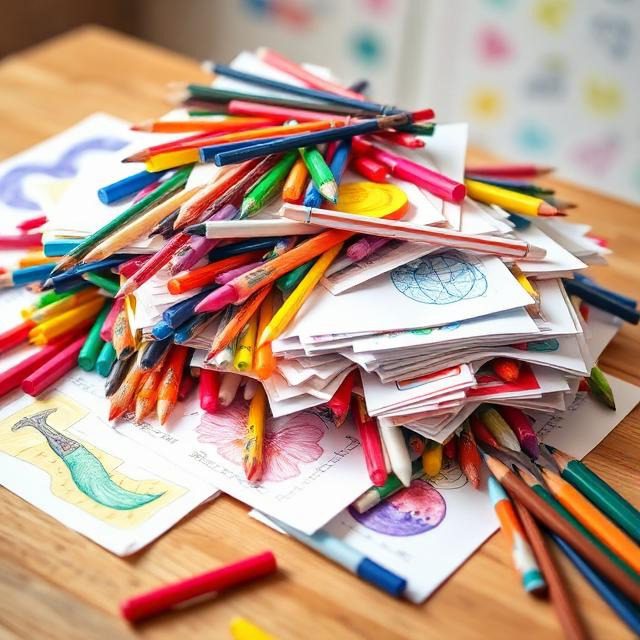
Filename: how-to-preserve-kids-artwork-clutter.jpg
Alt Text: A cluttered pile of colorful children’s drawings and school projects on a kitchen table.
Section 1: The Kapture Canvas White-Glove Archiving Process
When considering how to preserve kids’ artwork, many parents feel overwhelmed by the technical side of scanning and digitizing. At Kapture Canvas, we believe you shouldn’t have to be a professional photographer or a tech expert to save your child’s memories. Unlike DIY methods that require you to download third-party apps and spend hours hunching over your kitchen table, our process is designed to be completely hands-off for the busy parent.
We specialize in taking your physical collection and transforming it into a high-resolution digital archive that is both secure and stunning. By sending your art to us, you ensure that every brushstroke, crayon line, and pencil sketch is captured with professional-grade equipment that far surpasses the quality of a standard smartphone scan. This “white-glove” approach to how to preserve kids’ artwork ensures that the colors remain vibrant and the textures are preserved exactly as they were the day they were created. Once your collection is digitized by our team, you no longer have to worry about the physical degradation of paper or the clutter of overflowing bins. We bridge the gap between the messy reality of a creative childhood and the polished, organized aesthetic of a modern home.
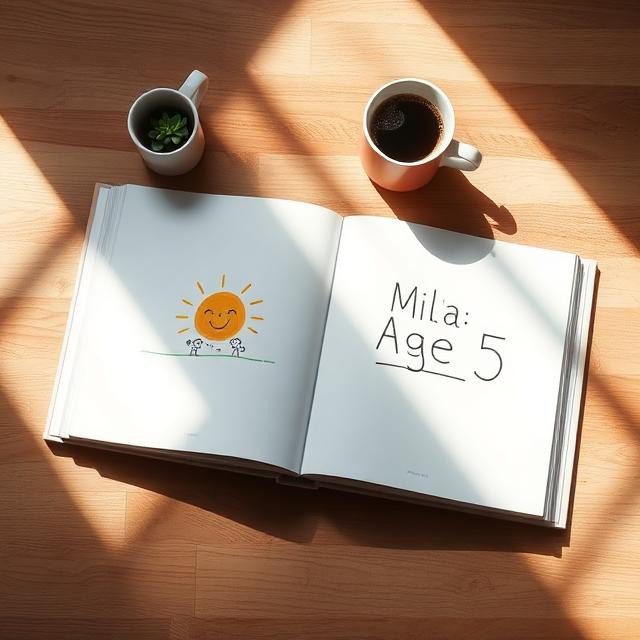
Filename text: how-to-preserve-kids-artwork-kapture-canvas-book.jpg
Alt text: A professionally curated Kapture Canvas memory book is open on a clean wooden table next to a coffee mug.
[INSERT CTA BUTTON 1 HERE]
Button Text: Download our “Art Declutter Checklist”
Link: (Link to your lead magnet or checklist)
The Secret Ingredient: The Artist’s Narrative
One of the most overlooked steps in how to preserve kids’ artwork is capturing the story behind the masterpiece. Often, what looks like a simple scribble to an adult is actually a complex battle scene or a portrait of the family dog in a superhero cape. Before you archive a piece, sit down with your child for a “mini-interview.”
Ask them: “What is happening in this picture?” or “Why did you choose these colors?” Write their answers on the back of the physical piece or type them into the metadata of your digital scan. Preserving the meaning of the art is just as important as preserving the paper itself. It turns a simple drawing into a historical record of your child’s developing imagination.
2. Curating a Rotating Gallery Wall
One of the biggest challenges is displaying kids’ artwork in a way that still feels clean and put-together. Instead of taping pieces to the wall, try creating a rotating gallery wall.
Use front-opening frames that hang like normal frames but open easily from the front. These can hold multiple pieces at once, allowing you to rotate artwork without constantly rehanging everything. Simply place the newest masterpiece on top.
This keeps your space looking intentional while still celebrating your child’s creativity.
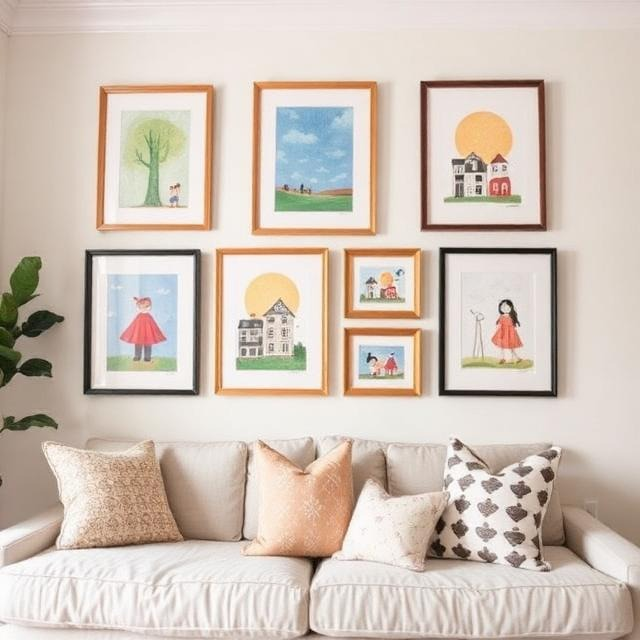
Filename: how-to-preserve-kids-artwork-gallery-wall.jpg
Alt Text:Aesthetic home gallery wall featuring multiple framed pieces of kids’ artwork in a modern living room.
3. Transforming Art into Custom Keepsake Books
After building a digital archive, the next step is turning those memories into something tangible. One of the most aesthetic ways to preserve kids’ artwork is by creating a keepsake book.
Upload your saved images to a photo book service and create a collection for each year—like “Age 4” or “Kindergarten.” Instead of storing bins of paper, you’ll have a clean, beautiful set of books that take up minimal space.
These books become something your child can revisit and feel proud of for years to come.
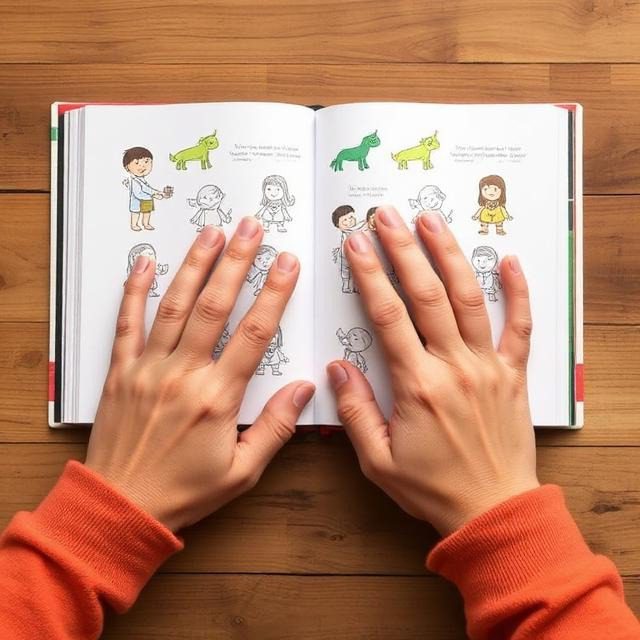
Filename: how-to-preserve-kids-artwork-photobook-flip.mp4
Alt Text: Hands flipping through a custom printed book of children’s drawings.
[INSERT CTA BUTTON 2 HERE]
Button Text: Shop our “Hero Frame” Collection
Link: https://kapturecanvas.com/shop
4. Turning Drawings into Functional Gifts
Sometimes the best way to preserve kids’ artwork is to transform it into something you can use every day.
Favorite drawings can be turned into meaningful gifts—like engraved jewelry, custom pillows, or printed mugs. This approach takes artwork out of storage and puts it into daily life, where it can be appreciated more often.
It’s also a thoughtful way to create personalized gifts for family members while keeping the sentimental value intact.
The Kapture Canvas Difference: Professional Curation vs. DIY Stress
Many parents start the school year with the best intentions of creating their own elaborate scrapbooks or storage systems. However, the reality of “parent-guilt” often sets in when the pile of art becomes too high to manage. This is where professional preservation becomes a game-changer. When you choose a professional service to how to preserve kids’ artwork, you aren’t just getting a book; you are getting a curated gallery of your child’s development.
Unlike DIY bins where paper can become damp, wrinkled, or faded over time, a custom-designed book from Kapture Canvas treats your child’s imagination with the respect it deserves. We transform those loose, fragile pages into a durable, high-quality coffee table book that fits perfectly into your home’s aesthetic. It moves the art from a hidden “clutter box” in the attic to a prominent place on your bookshelf where it can actually be enjoyed. By outsourcing the technical work of layout and design, you free yourself from the “to-do” list and simply get to enjoy the memories. This is the ultimate gift for families—taking the burden of organization and replacing it with a beautiful, tactile legacy.
Creating a Yearly Family Tradition
One of the most beautiful aspects of learning how to preserve kids’ artwork with Kapture Canvas is the tradition it creates within your home. Imagine a yearly ritual where you and your child sit down to look back at the “Year in Art.” Instead of a stressful cleaning session, it becomes a celebration of their growth. Children thrive when they see their parents value their creative output. By presenting them with a high-quality, personalized book at the end of each school year, you are building their confidence and providing a tangible record of their childhood. These books don’t just sit on a shelf; they become part of your family’s story, pulled out during holidays and birthdays to be shared with grandparents and friends. This intentional approach ensures that your home stays an aesthetic, peaceful space while your child’s imagination is given the spotlight it deserves.
5. Creating a “Memory Bin” for 3D Art
Not everything can be scanned or framed—especially 3D creations like clay projects or macaroni art.
For these, create a simple “Memory Bin” for each child using a clear storage container. Be selective and keep only the most meaningful pieces.
A helpful trick is to take a photo of your child holding their creation before deciding whether to keep it. Often, that photo captures the memory even better than the object itself.
Quality Over Quantity
At the end of the day, preserving kids’ artwork is about celebrating growth—not holding onto every single piece.
By using digital archiving, intentional displays, and meaningful keepsakes, you’re creating a curated collection of memories instead of managing clutter.
Start small. Choose a few favorite pieces today, preserve them, and notice how much lighter your space—and mind—feels.
Frequently Asked Questions about Kapture Canvas How many pieces of art can I include in one book?
We recommend choosing the “best of the best” to ensure each page tells a story, but our high-quality binding can accommodate an entire school year’s worth of highlights. Kapture Canvas makes it easy to learn how to preserve kids’ artwork while keeping your home aesthetic and organized.
Is a professional book better than keeping the original paper?
While paper can yellow and fade, the professional printing process used for a Kapture Canvas book ensures colors stay vibrant for decades. It is the most reliable way to learn how to preserve kids’ artwork for the next generation to enjoy.
What should I do with the physical art after my book arrives?
Once you have your beautiful Kapture Canvas book, many families choose to keep only the “top 5” original pieces in a special memory box and recycle the rest, knowing they’ve successfully mastered how to preserve kids’ artwork by safely curating the memories in their new book
Leave a Reply